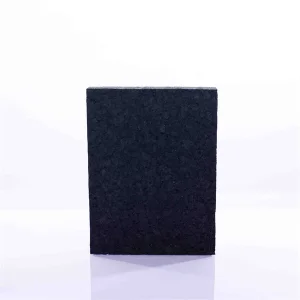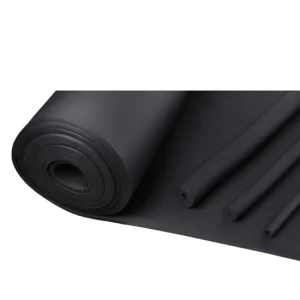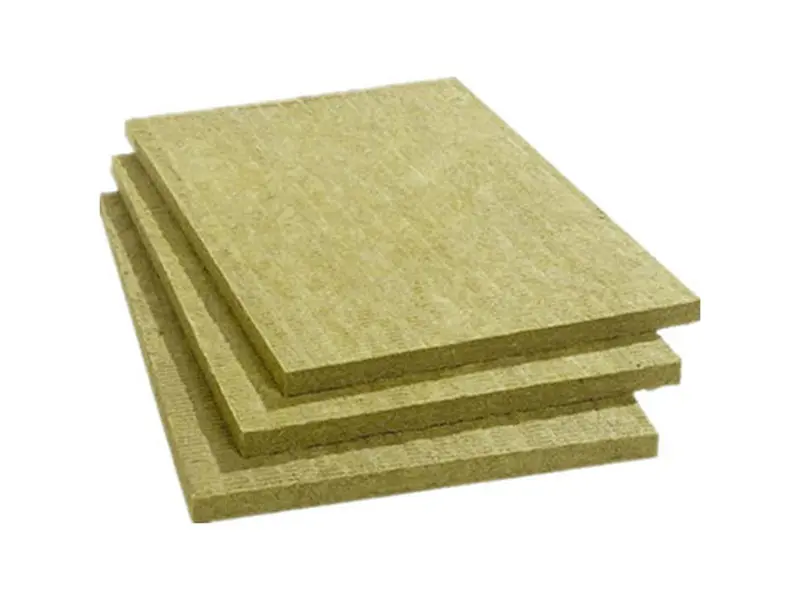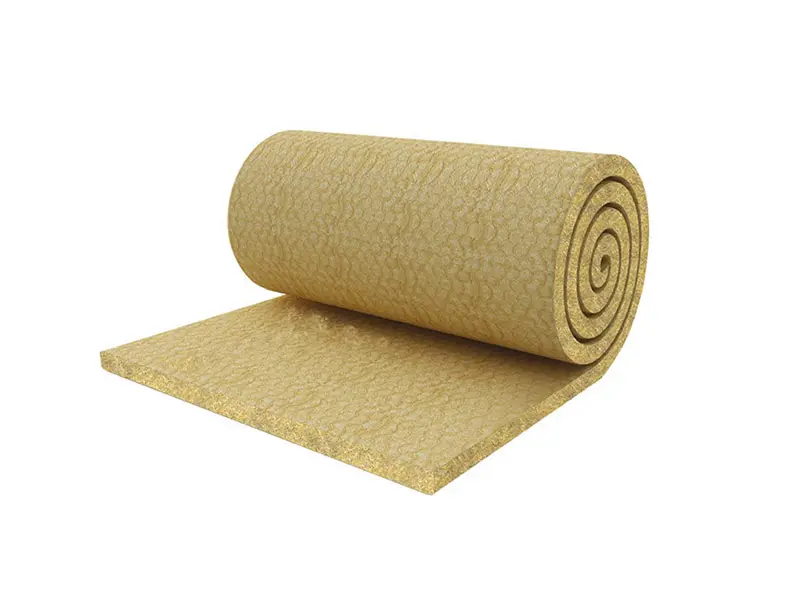
Rockwool, structurally defined as industrial-grade stone wool, stands at the pinnacle of high-performance architectural acoustics. Unlike synthetic foams, Rockwool is fabricated through the dynamic melting of natural basaltic rock and slag at temperatures exceeding 1500°C, followed by high-speed spinning into ultra-fine mineral fibers. The resulting matrix features an open, interconnected fibrous network that acts as a highly tortuous path for acoustic waves.
When airborne sound waves strike the porous boundary of a Rockwool blanket or board, the pressure changes force air molecules to vibrate within these microscopic paths. The subsequent friction between the moving air molecules and the mineral fibers converts kinetic acoustic energy directly into negligible thermal energy. Our advanced manufacturing methods control the average fiber diameter down to the micron level and align them to optimize flow resistivity. This allows us to offer products that have a Noise Reduction Coefficient (NRC) rating of up to 1.0. This means they are highly effective at absorbing sound waves across low, medium, and high frequencies.
The global acoustic insulation market is experiencing a significant shift toward strict eco-efficiency and regulatory compliance. Urbanization, combined with the rise of high-speed transit and manufacturing, has made environmental noise pollution a major occupational hazard. Regulatory frameworks like ISO 354, ASTM C423, and building standards like ASHRAE 90.1, LEED v4, and BREEAM now require developers to meet strict acoustic comfort levels while maintaining fire protection.
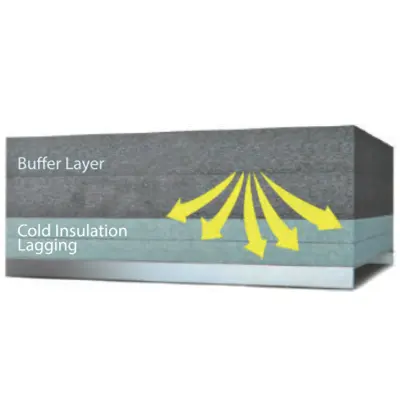
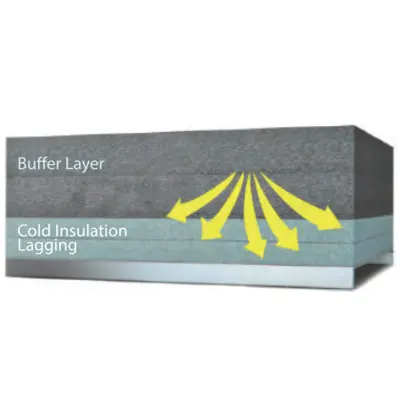
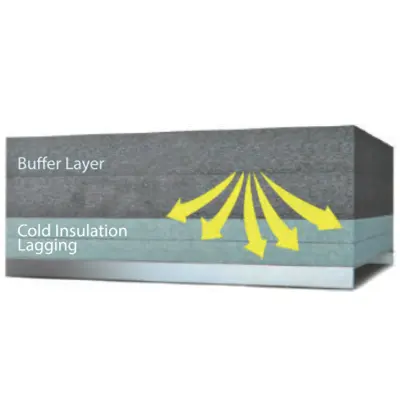
Modern commercial constructions, data centers, and chemical processing facilities require sound absorption solutions that double as high-temperature fire stops. Traditional materials often fall short under these extreme conditions. As a leading manufacturer, Kingflex integrates mineral stone wool with elastomeric systems to create multi-layered sound barriers that exceed current standards. This design is highly effective at reducing both structure-borne vibration and airborne noise.
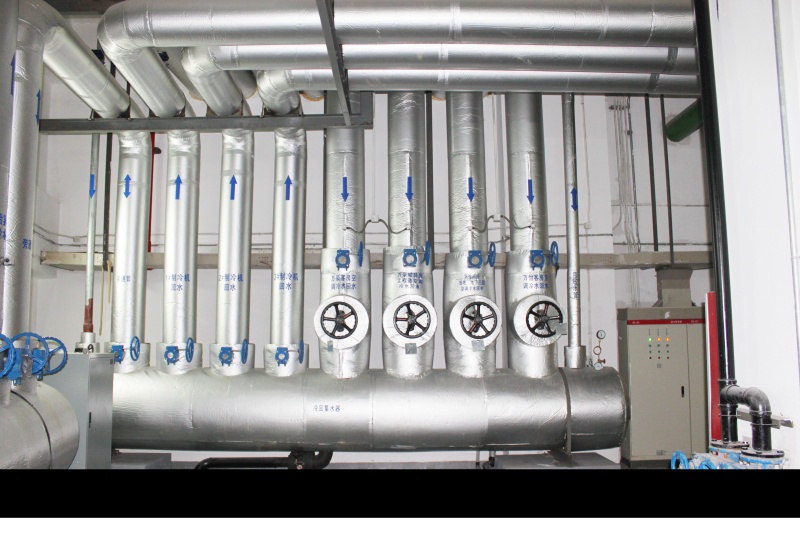
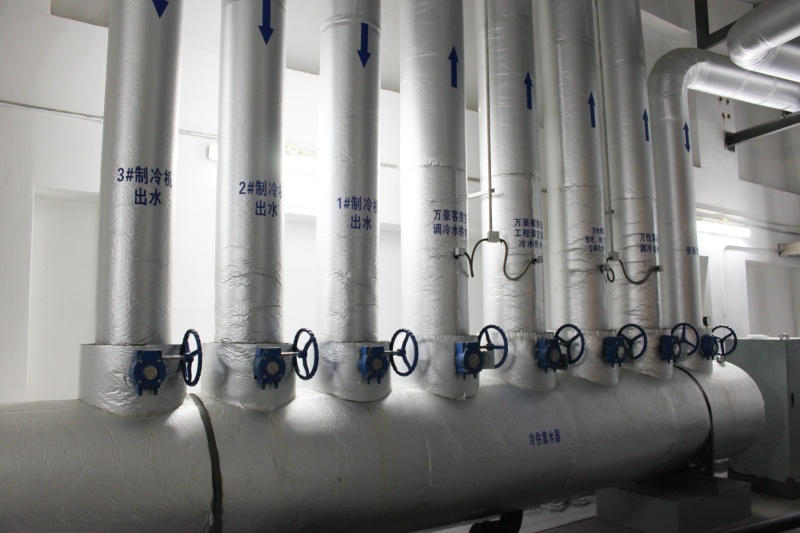
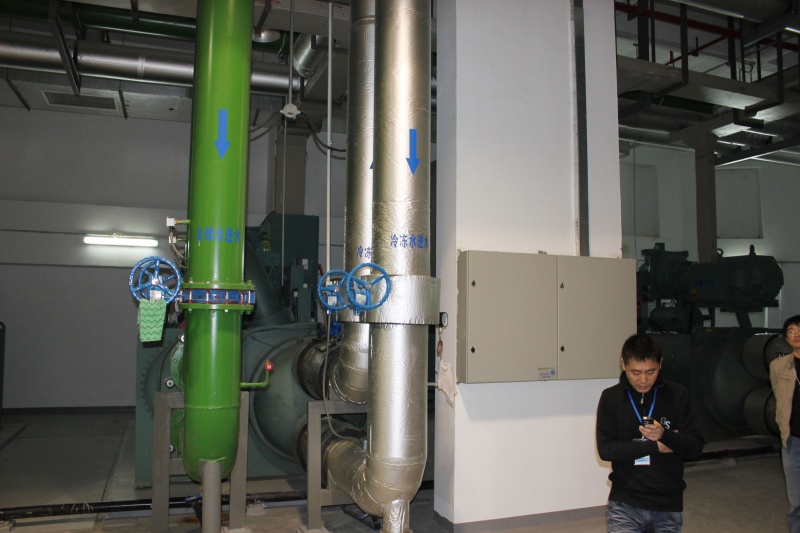
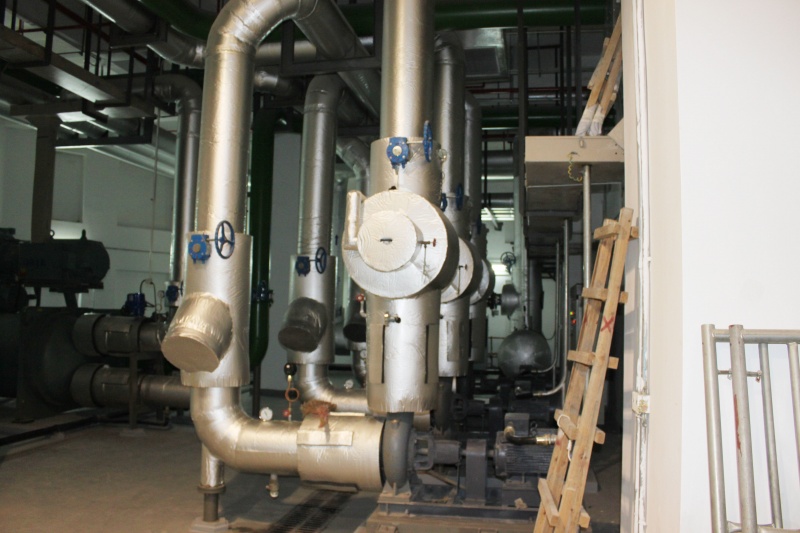
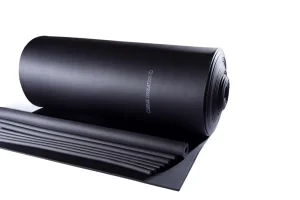
Finding the right balance between density, thickness, and airflow resistance is key to achieving optimal sound absorption. Below is the technical specification table comparing Kingflex elastomeric systems and our high-density rockwool counterparts designed for heavy-duty acoustic and thermal protection.
| Material Classification | Typical Density Range | Thermal Conductivity (λ at 24°C) | Service Temperature Range | Acoustic NRC Rating | Fire Classification |
|---|---|---|---|---|---|
| NBR/PVC Elastomeric Foam | 40 - 55 kg/m³ | ≤ 0.035 W/(m·K) | -40℃ to 105℃ | 0.45 - 0.70 (Open Cell Option) | Class 1 / Class V-0 (UL94) |
| Premium Rockwool Board | 60 - 160 kg/m³ | ≤ 0.034 W/(m·K) | -250℃ to 750℃+ | 0.85 - 1.00 | Class A1 Non-combustible |
| Cryogenic Hybrid Layer | Density Customized | ≤ 0.028 W/(m·K) | -200℃ to 125℃ | 0.65 - 0.85 | Complies with ASTM C177 |
Heavy industries and modern buildings require specialized insulation solutions. Standard residential-grade materials cannot withstand the continuous thermal cycles, structural vibrations, and moisture challenges found in large-scale installations.
Operating turbines, generators, and heavy-duty steam lines run at temperatures exceeding 500°C, producing high-decibel noise. Our high-density Rockwool blankets wrap seamlessly around high-energy piping, damping structural vibrations while protecting staff from excessive heat.
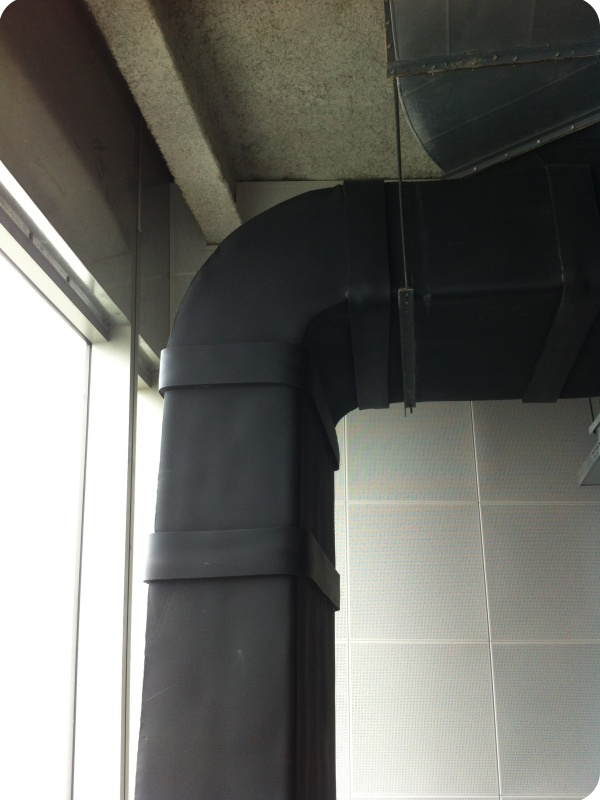
Vibration and airflow noise from industrial ventilation systems can travel quickly through building structures. Using our open-cell elastomeric sheets alongside rockwool linings ensures complete sound containment, preventing noise transmission between offices, hospitals, and hotels.
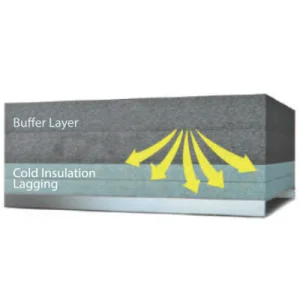
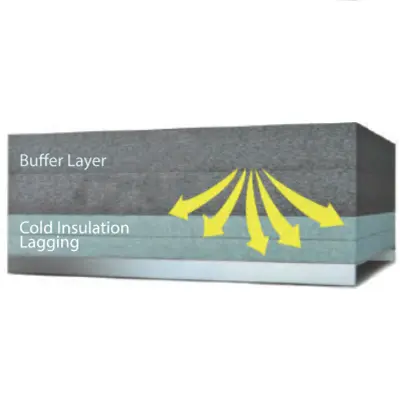
Liquefied Natural Gas (LNG) pipelines and marine vessels face extreme conditions. Thermal shock, sub-zero temperatures, and salty air can degrade insulation. Our advanced multi-layered systems, featuring elastomeric cryogenic rolls, prevent moisture ingress and keep systems running reliably.
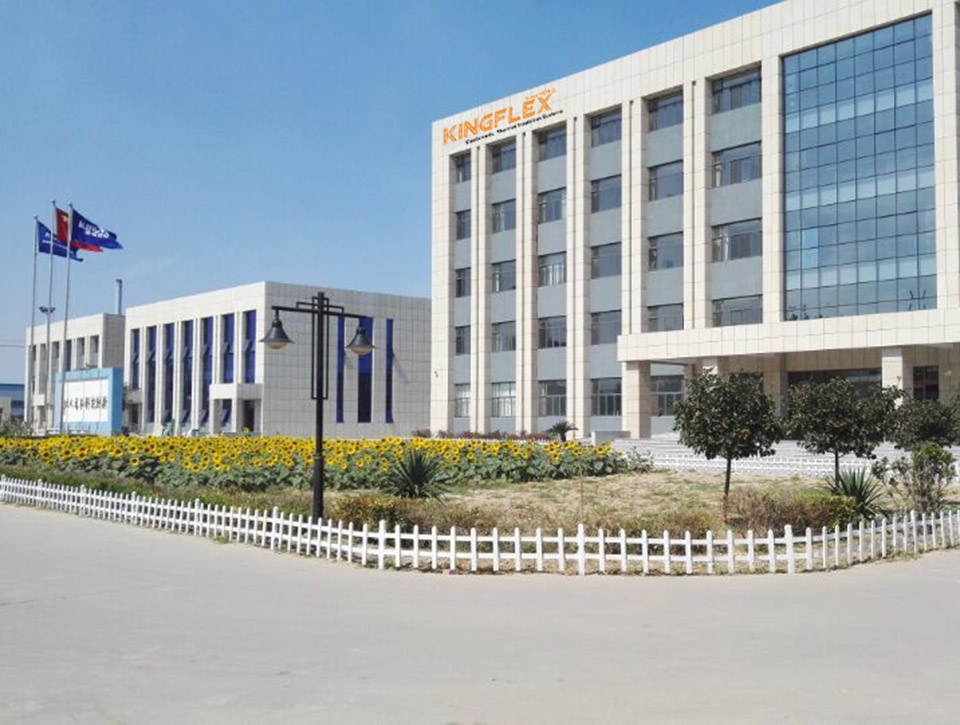
Kingflex Insulation Co., Ltd. is a professional manufacturing and trading combo for thermal insulation products. Kingflex's research development and production department is located in the well-known capital of green-building materials in Dacheng, China. It is an energy-saving, environmentally friendly enterprise concentrated on research and development, production, and sales.
In operation, Kingflex takes energy saving and consumption reduction as its core concept. We provide insulation solutions by means of consultation, research and development, production, installation guidance, and post-sale service, leading the development of the global building materials industry.
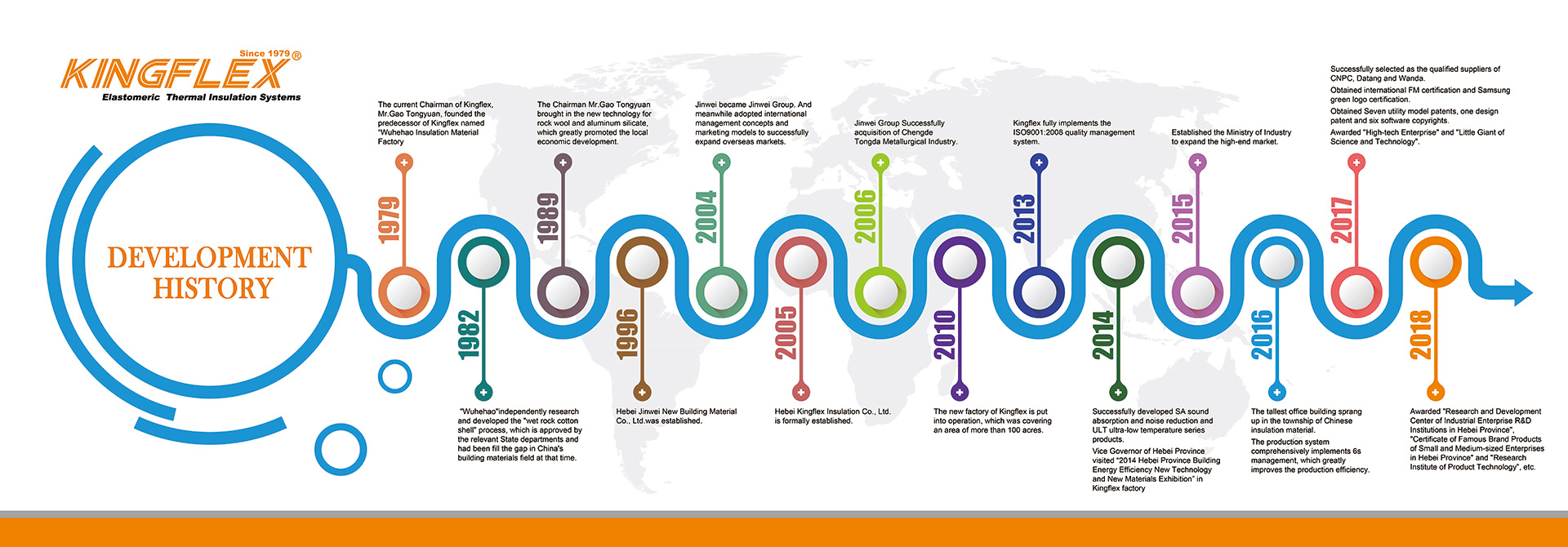
Kingflex is established by the Jinwei Group, which has more than 40 years of history. Jinwei Group was established in 1979. It was the first manufacturer of thermal insulation materials north of the Yangtze River. Over the decades, we have evolved from a regional pioneer into a key player in the international green building materials market.

Our employees are amazing in their own right, but together they are what makes Kingflex such a fun and rewarding place to work. The Kingflex team is a tight-knit, talented group with a shared vision of consistently providing first-class service for our clients.
Kingflex has eight professional engineers in the R&D Department, 6 professional international sales, and 230 dedicated workers in the production department, all working together to ensure consistent quality.
At present, Kingflex has 5 large automatic assembly lines, with an annual production capacity of more than 600,000 cubic meters. We have become a designated production enterprise certified by the Ministry of Energy, the Ministry of Electric Power, and the Ministry of Chemical Industry.
Our thermal insulation products are widely used in construction, petroleum, chemical, national defense, aerospace, and other demanding industries. Over the past 16 years, Kingflex products have been exported to more than sixty-six countries worldwide, helping projects meet their sustainability goals.
Our Responsibility: To supply customers all over the world with a full set of energy-saving insulation system solutions, acting as an integrated provider of thermal insulation, cold insulation, and noise reduction for both buildings and heavy industries.
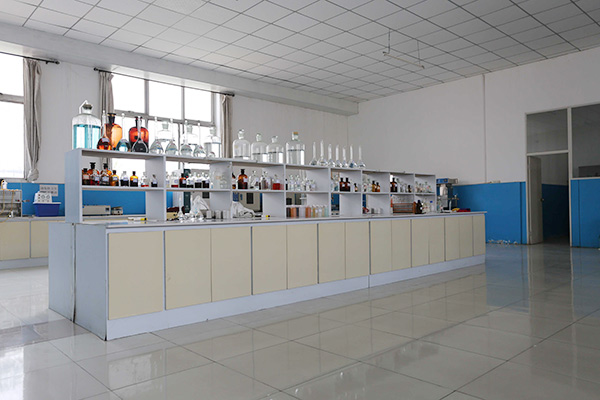
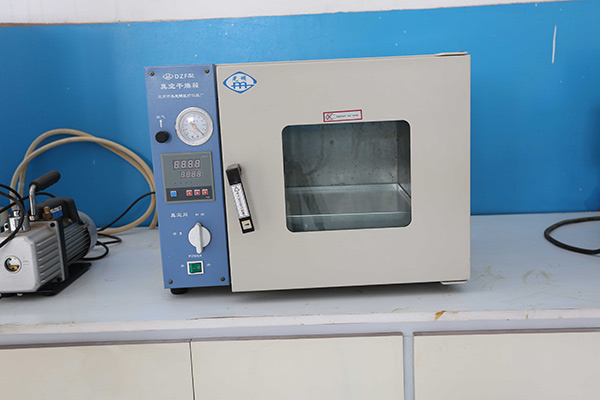
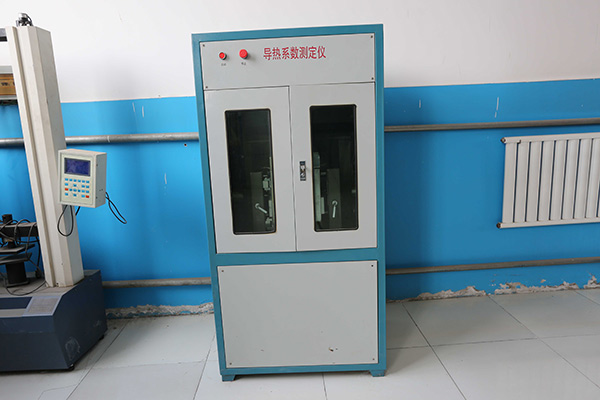
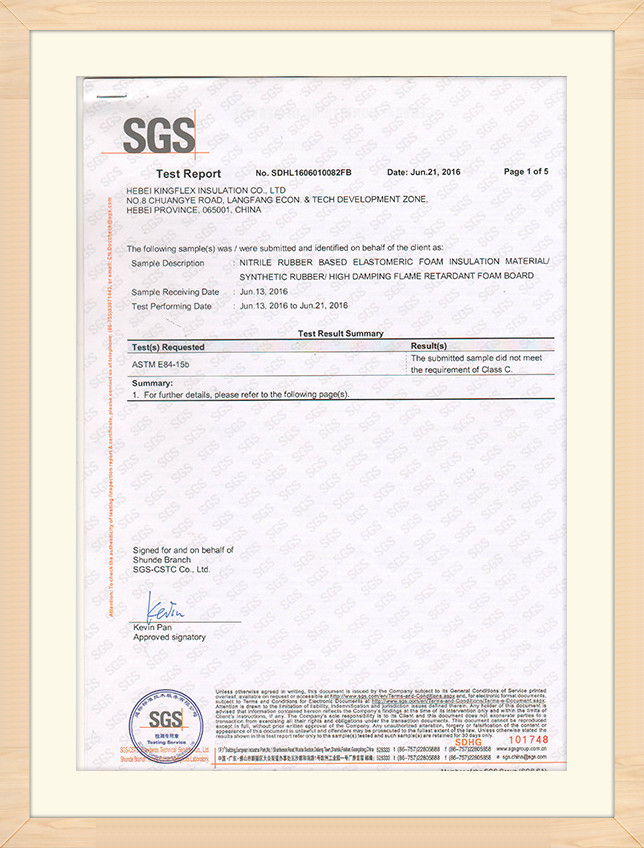
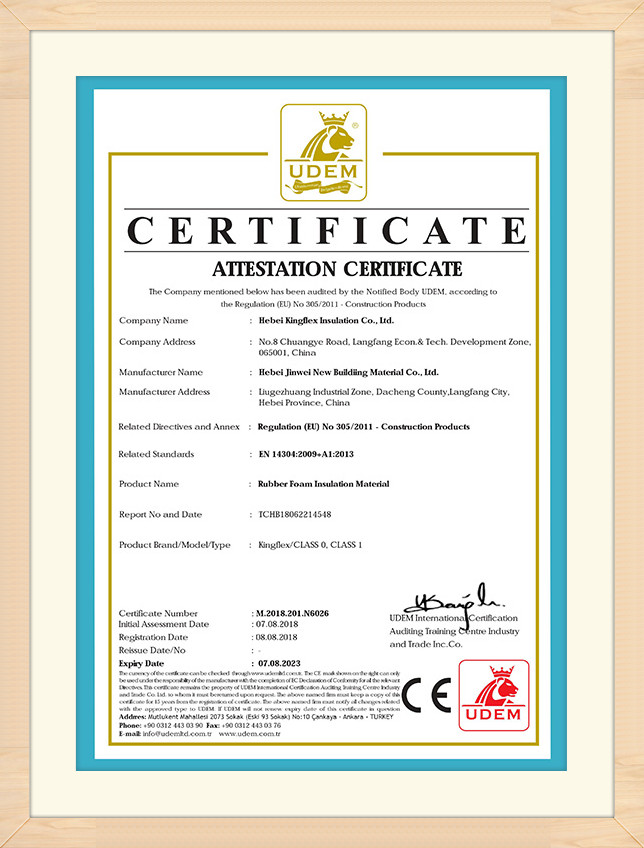
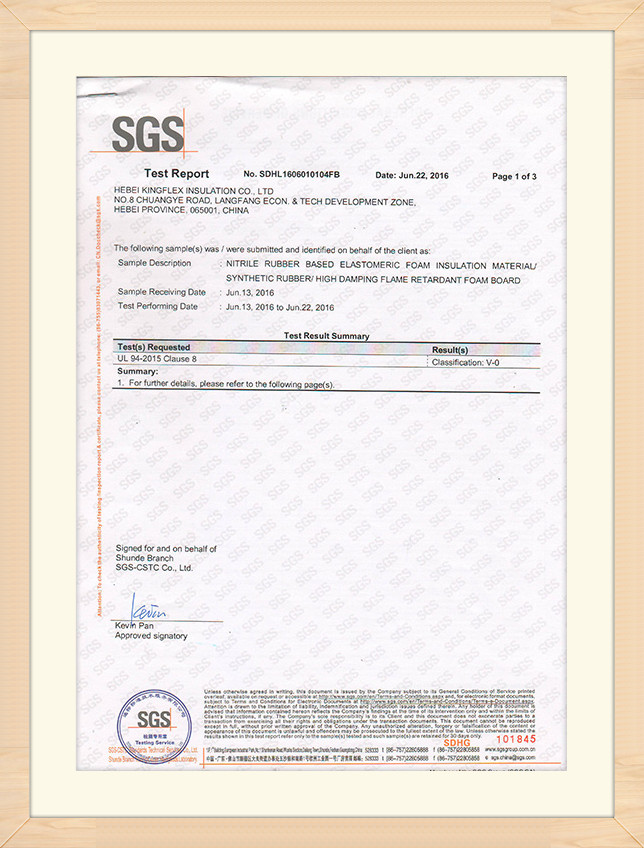
International standards require rigorous verification of fire safety, low toxicity emission, thermal efficiency, and sound absorption performance. Kingflex products undergo independent third-party audits to secure compliance across various jurisdictions.
Our manufacturing lines adhere to strict quality control protocols, producing systems that are compliant with BS 476, CE, REACH, RoHS, UL94, and ASTM. This guarantees that our products meet building safety and environmental requirements worldwide.
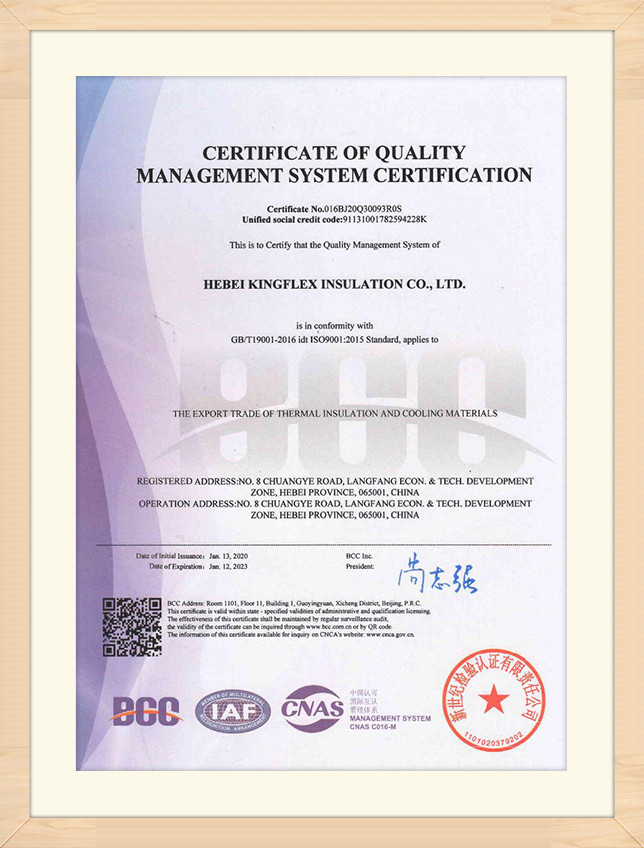 BS 476 & CE Approval
 REACH Certified
 RoHS Compliant
 ISO 9001 System
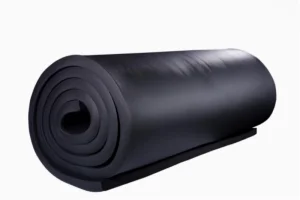
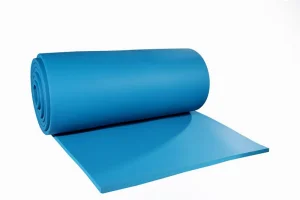
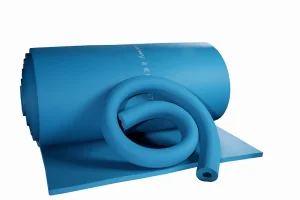
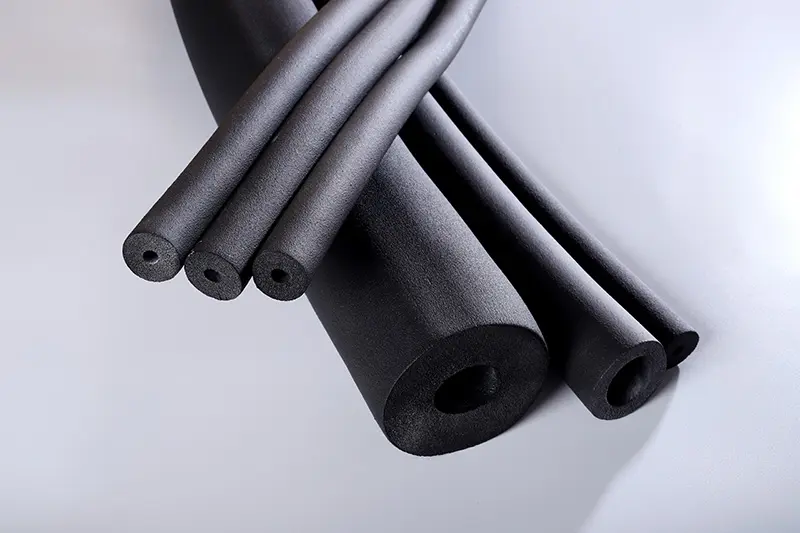
Beyond Rockwool, Kingflex is a global leader in flexible NBR/PVC elastomeric foam technology. Designed for systems where thermal insulation, cold retention, and condensation control are critical, our products offer high durability and reliable performance.
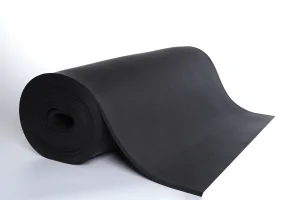
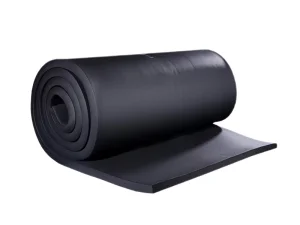
Material Structure: Premium NBR/PVC blend with an even, closed-cell rate exceeding 98%.
Standard Dimensions: Thickness ranges from 6mm to 50mm, with customizable roll widths.
Density Portfolio: 40 to 55 kg/m³ for optimal flexibility and compression resilience.
Temperature Limit: Sustains efficiency from -40℃ to 105℃.
Key Performance Advantages:

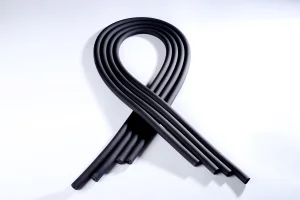
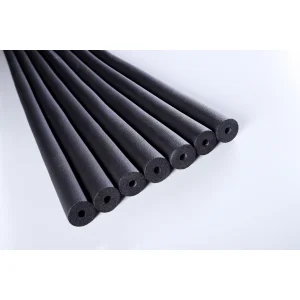
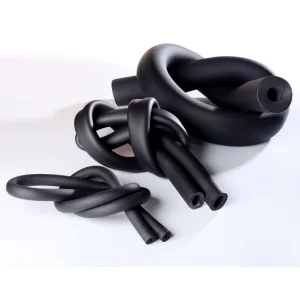
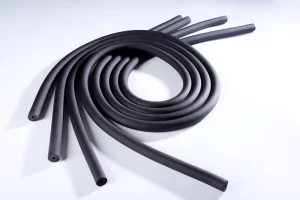
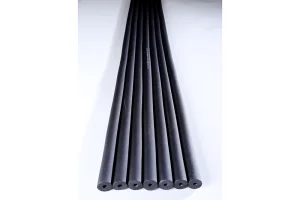
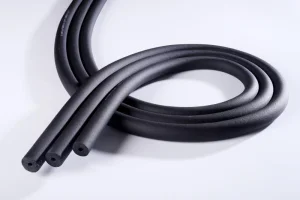
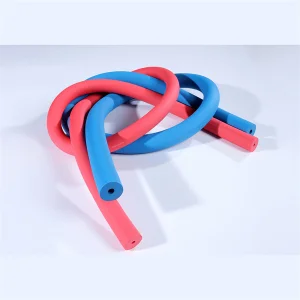
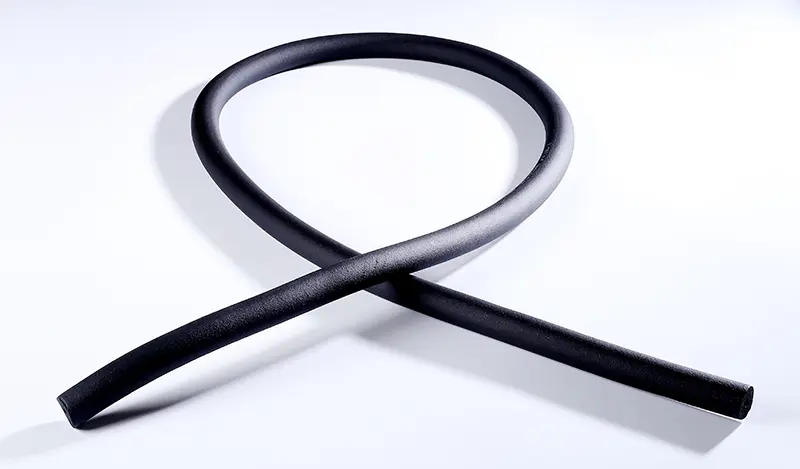
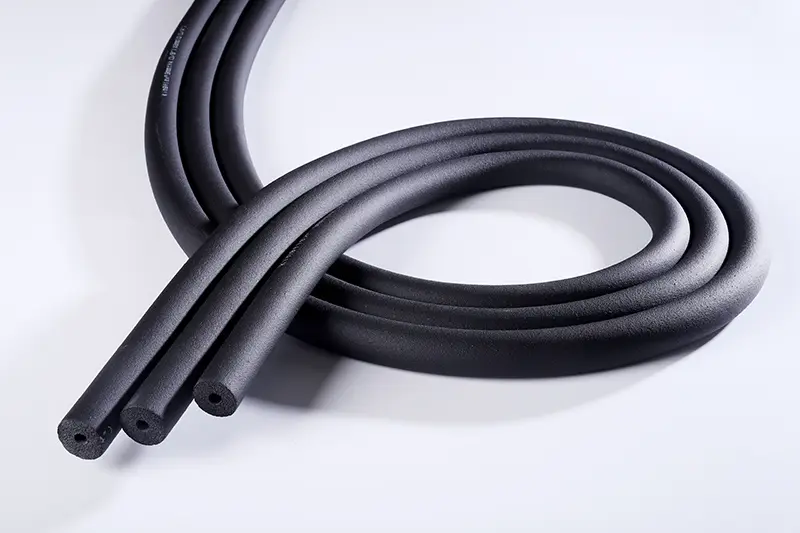
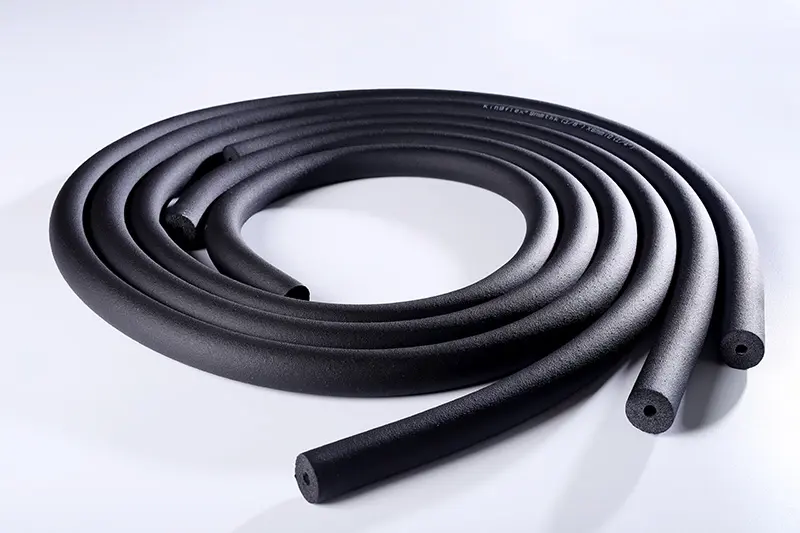
Material Structure: High-performance elastomeric tubular foam.
Standard Dimensions: Thickness from 9mm to 40mm, with Inner Diameters (ID) from 6mm to 114mm.
Manufacturing Accuracy: Extruded using advanced automated machinery to ensure consistent wall thickness.
Temperature Limit: Formulated to operate between -40℃ to 105℃.
Key Performance Advantages:
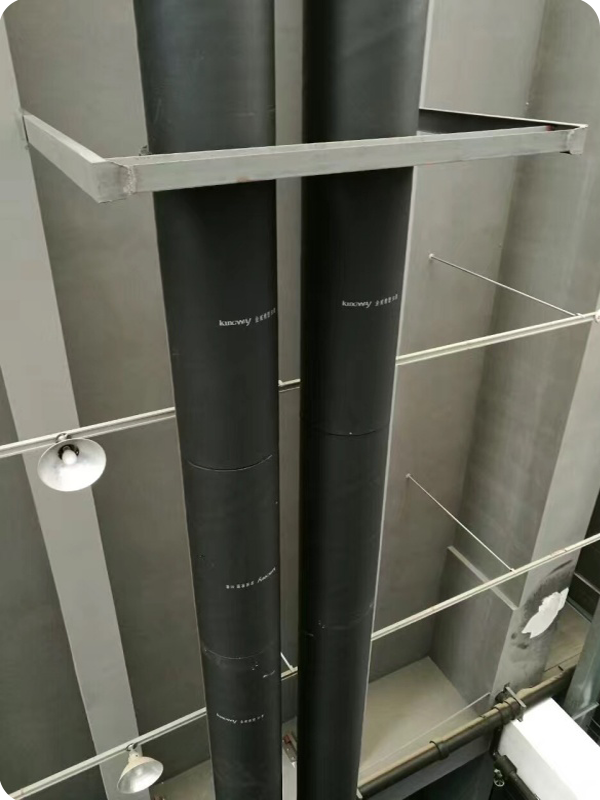
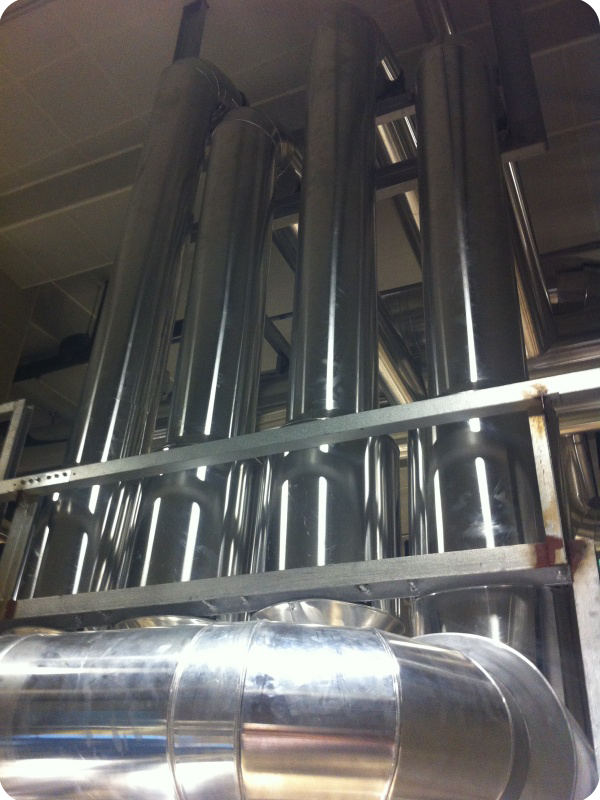
We work closely with global procurement teams, offering transparent communication and detailed technical documentation. Our traceably manufactured panels and elastomeric systems undergo rigorous inspection before shipping. Below are verified feedback logs from project managers highlighting the performance of our acoustic and thermal insulation systems.





Acoustic technology is constantly evolving. In our R&D facilities, our engineers are developing next-generation rockwool composites bonded with bio-soluble polymers. By replacing conventional binders with plant-based alternatives, we are reducing emissions and environmental impact during production.
Our future roadmap includes developing multi-layered systems that combine high-density rockwool with elastic rubber interfaces. This design targets low-frequency equipment rumble and high-frequency fluid noise, creating a highly versatile, all-in-one acoustic insulation solution.
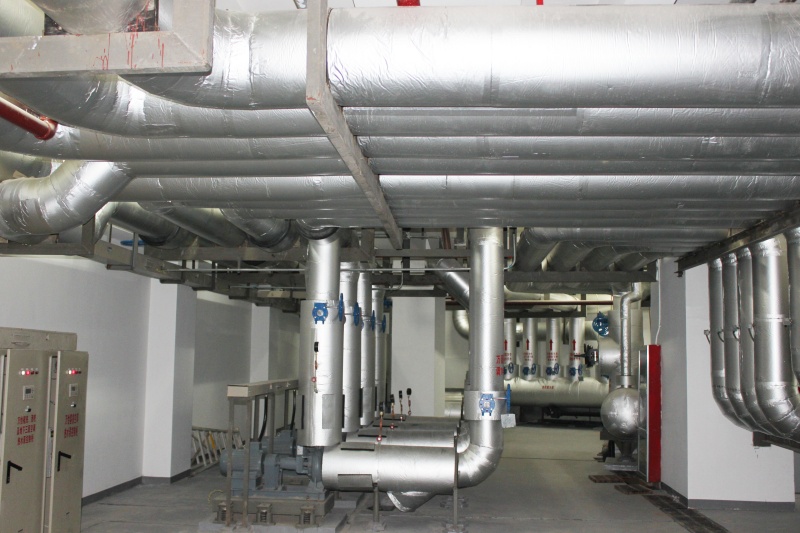
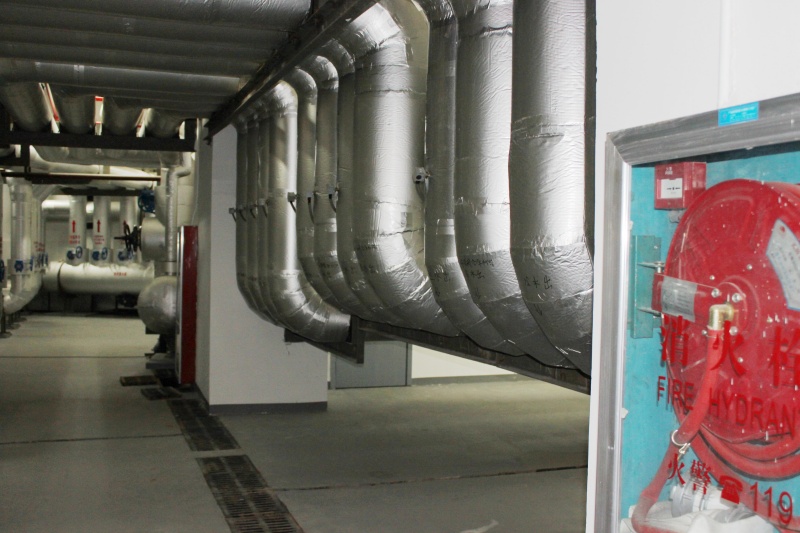
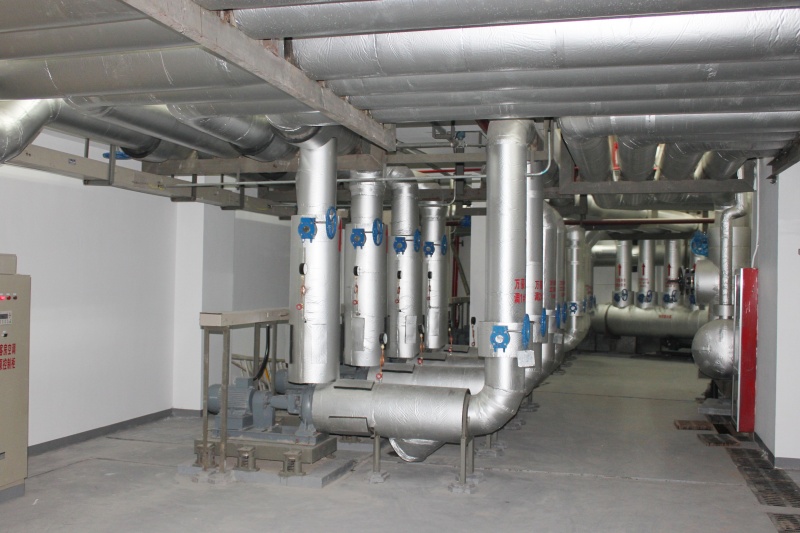
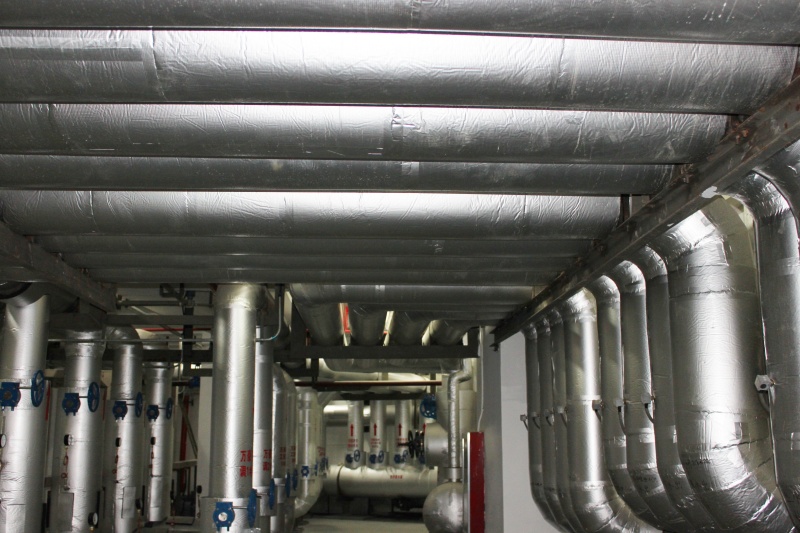
Proper installation is key to achieving optimal performance. Sound can bypass insulation through small air gaps or rigid contact points. To ensure the acoustic and thermal properties of your installation are maximized, we recommend following these core steps:
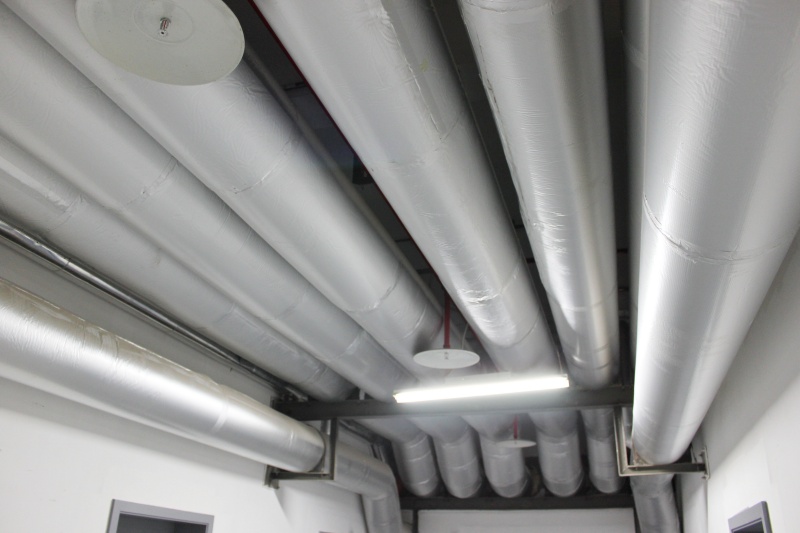

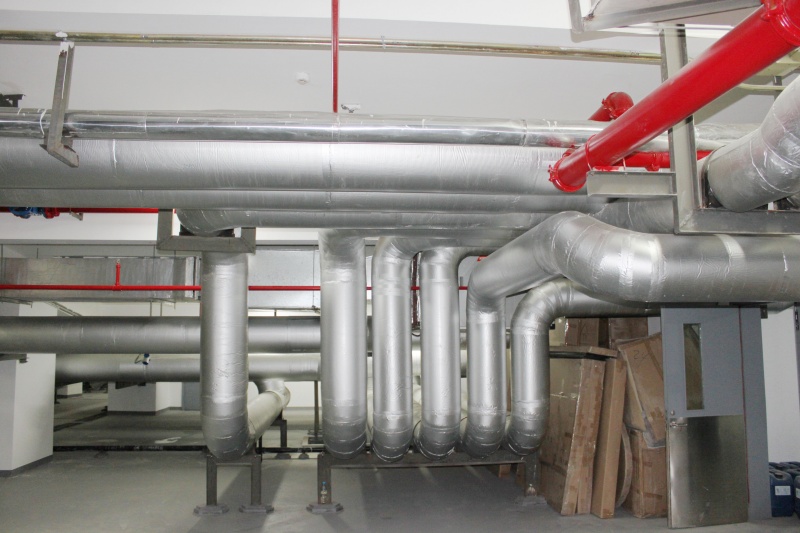





 Kingflex